Violina: A Vintage-Inspired Font for Designers Seeking Character and Warmth
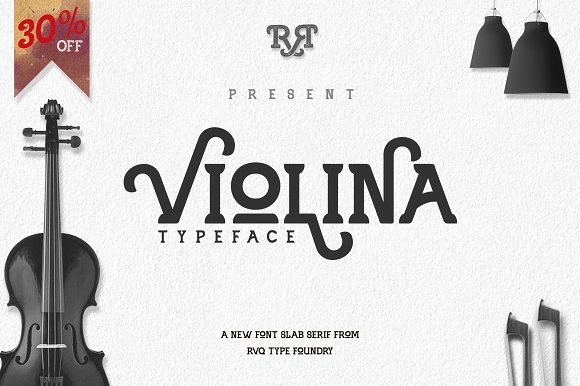
Finding a typeface that brings genuine personality to a project can feel like searching for a needle in a haystack. Many fonts are clean and functional, but few carry the emotional weight of a well-crafted vintage design. Violina, a stunning font created by the Rvq Type Foundry, fills this gap with remarkable grace. With its distinctive retro and vintage look, Violina offers designers, small business owners, and creatives a way to infuse warmth, nostalgia, and authenticity into their work. Whether you are building a brand from scratch or refreshing an existing visual identity, understanding what Violina brings to the table can help you make a more informed, impactful choice.
What Makes Violina Stand Out in a Crowded Type Landscape
At its core, Violina is more than just a pretty face. It is a thoughtfully designed typeface that captures the essence of mid-century charm while remaining entirely usable for modern projects. The font draws inspiration from classic signage, hand-painted lettering, and vintage typography, but it avoids feeling like a mere copy of the past. Instead, it interprets those influences with a contemporary polish that makes it feel fresh rather than dated.
The Rvq Type Foundry has delivered Violina in two distinct styles: Violina Regular and Violina Rough. Each serves a different purpose, yet both share the same underlying character. Violina Regular provides a clean, refined version of the vintage aesthetic, ideal for situations where legibility and elegance are paramount. Violina Rough, on the other hand, introduces a distressed, textured appearance that mimics the wear and tear of printed materials from decades past. This duality gives designers flexibility: you can choose the level of authenticity and grit that suits your specific project.
Common Challenges That Violina Helps Solve
Many designers and business owners struggle to create visual identities that feel both distinctive and approachable. Modern sans-serif fonts, while versatile, can sometimes feel cold or generic. Script fonts can be beautiful but often sacrifice readability, especially at smaller sizes. Violina addresses these pain points head-on by offering a typeface that is simultaneously eye-catching and highly legible.
- Lack of personality: A brand that uses a standard corporate font may fail to connect emotionally with its audience. Violina brings a human touch that helps a brand feel more relatable and memorable.
- Difficulty balancing nostalgia with modern usability: Many vintage fonts look great in a headline but fall apart in body text or on digital screens. Violina maintains its character across sizes and formats, making it a practical choice for real-world applications.
- Inconsistent brand voice: Using multiple fonts that clash can dilute a brand's message. Violina provides a cohesive visual language, especially when its two styles are used together for hierarchy and emphasis.
By choosing Violina, you are not just picking a font; you are selecting a tool that actively solves these common design frustrations.
Practical Applications and Real-World Outcomes
Violina shines brightest when applied to projects that benefit from a sense of history and craftsmanship. Its warm, slightly rounded letterforms and gentle curves make it an excellent choice for a wide range of uses.
Branding and Logo Design
For small businesses, cafes, boutiques, or artisan brands, Violina can become the cornerstone of a visual identity. Its vintage character instantly communicates values like quality, tradition, and care. A coffee shop using Violina for its logo and menu boards, for instance, signals to customers that they are entering a space that values the slow, thoughtful craft of coffee making. The Regular style works beautifully for a clean logo mark, while the Rough style adds texture to secondary applications like packaging tape or signage.
Packaging and Product Labels
Packaging is often the first physical touchpoint a customer has with a product. Violina helps products stand out on crowded shelves by evoking a sense of authenticity. A craft beer label, a small-batch jam jar, or a line of artisanal soaps all benefit from the font's retro charm. The Rough style is particularly effective here, as it mimics the look of hand-stamped or letterpressed labels, suggesting a handmade, small-batch process.
Posters, Flyers, and Event Materials
For events like farmers' markets, vintage fairs, or community gatherings, Violina creates an immediate sense of occasion. Its readability at display sizes makes it great for headlines, while its approachable tone invites people to read further. You can pair Violina Regular for the main information and use Violina Rough for accent words or decorative elements, creating a layered, dynamic layout.
Social Media and Digital Content
While Violina is deeply rooted in vintage aesthetics, it performs admirably on digital platforms. Use it in social media graphics, blog headers, or email newsletters to give your online presence a cohesive, warm feel. The key is to use it strategically: reserve Violina for headlines and key messages, and pair it with a simple, neutral font for body text to ensure readability on mobile screens.
How Different Users Can Approach Violina
Not everyone will use Violina in the same way, and that flexibility is one of its greatest strengths.
Graphic designers will appreciate the font's versatility and the ability to toggle between Regular and Rough styles to achieve different moods within a single project. They can use the Rough style for a gritty, textured look in posters, and switch to Regular for a cleaner, more professional feel in client presentations or brand guidelines. Designers can also experiment with mixing Violina with other typefaces: it pairs well with simple sans-serifs for a modern twist, or with classic serifs for a layered vintage look.
Small business owners who are not professional designers but need a strong visual identity will find Violina intuitive to use. Its built-in character means you do not need extensive design skills to create something that looks thoughtful and cohesive. A simple logo made with Violina, combined with consistent use across social media and packaging, can elevate a brand without requiring a full design team. The two styles give you options: use Regular for your main logo and Rough for special editions or seasonal promotions.
Hobbyists and DIY enthusiasts working on personal projects like wedding invitations, party decorations, or custom gifts will enjoy the nostalgic warmth Violina provides. The font's retro feel is perfect for themes like rustic, bohemian, or mid-century modern. Because Violina is so expressive, even a single word set in the font can become a focal point on a card or sign.
Recommendations for Getting the Most Out of Violina
To make Violina work best for your projects, keep a few practical considerations in mind.
- Use it at larger sizes for maximum impact. Violina's details shine when used for headlines, titles, and short phrases. At smaller sizes, the Regular style remains legible, but the Rough style may lose some of its charm, so reserve that version for display purposes.
- Pair it with clean, neutral fonts. Because Violina carries so much personality, it works best when balanced with simpler typefaces. A lightweight sans-serif like Open Sans or Lato provides a nice contrast that lets Violina take center stage.
- Consider the medium. Violina Rough is especially effective in print where texture can be felt, but it also works digitally when used with subtle effects like drop shadows or overlays. Test both styles on actual materials before finalizing your design.
- Stay consistent. Once you choose Violina for your brand, use it consistently across all touchpoints. This builds recognition and trust. The two styles give you flexibility, but avoid switching between them randomly; use them intentionally to signal different levels of emphasis or tone.
Why Violina Resonates with Today's Audiences
In an age of mass production and digital uniformity, people are drawn to things that feel authentic and handcrafted. Violina taps into that desire by offering a typeface that looks like it was lovingly created by a skilled craftsman. Its retro character does not feel like a costume; it feels like a genuine nod to the past, reimagined for the present.
This emotional resonance is especially valuable for brands that want to stand for quality, care, and tradition. Whether you are a roastery, a bakery, a record label, or a wedding photographer, Violina helps you communicate that you are not just selling a product or service; you are offering an experience rooted in genuine craftsmanship.
Final Thoughts on Choosing Violina
Selecting the right typeface is one of the most important decisions in any visual project. Violina, with its two versatile styles and its deep vintage character, is a powerful tool for anyone looking to add warmth, personality, and a sense of authenticity to their work. It addresses the common challenge of creating a distinctive yet approachable brand voice, and it does so with elegance and practicality.
Whether you are a seasoned designer or a business owner taking your first steps into branding, Violina offers a reliable, beautiful solution. By understanding its strengths and applying it thoughtfully, you can create projects that not only look good but also feel genuinely connected to the people who experience them. That is the kind of design that makes a lasting impression.