AZ Storm Font: How 70s Skateboard Logos Shaped a Digital Classic
If you have spent any time browsing vintage-inspired typography or skate culture aesthetics online, you have likely encountered AZ Storm. This bold, angular font carries an unmistakable energy that feels both nostalgic and fresh. But what exactly is AZ Storm, and why does it look the way it does? The answer takes us back to the gritty, creative explosion of 1970s skateboarding—a time when logos were hand-drawn, rebellious, and built to stand out. In this article, we will explore AZ Storm from the ground up: its origins, its design DNA, its place in modern culture, and why understanding it matters for designers, skaters, and anyone who loves visual storytelling.
What Is AZ Storm?
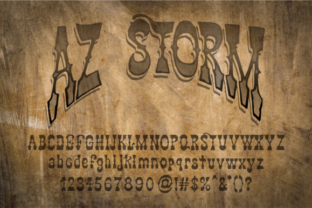
AZ Storm is a digital typeface that captures the raw, hand-lettered style of 1970s skateboard logos. It belongs to a category of fonts often called “skate fonts” or “varsity fonts,” but AZ Storm has its own distinct personality. The letters are heavy, condensed, and frequently appear as if they have been sprayed through a stencil or carved into wood. The font is notable for its sharp angles, uneven stroke weights, and a rough, almost distressed finish that mimics the wear and tear of real skatepark signage.
Unlike many clean, geometric fonts designed for corporate branding, AZ Storm embraces imperfection. Its characters lean slightly, vary in width, and often include chipped edges or irregular curves. This deliberate roughness is not a flaw—it is the whole point. AZ Storm is meant to evoke the handmade, DIY ethos of early skate culture, where logos were painted by hand on boards, ramps, and garage walls.
The Roots: 70s Skateboard Logo Design
To understand AZ Storm, you first need to understand the visual world of 1970s skateboarding. During this decade, skateboarding shifted from a simple pastime to a full-blown subculture. Brands like Dogtown, Powell Peralta, and Santa Cruz began to emerge, and they needed logos that reflected the sport's rebellious spirit. These logos were often created by skaters themselves—people who had no formal design training but knew exactly what looked cool on a deck.
The typical 70s skateboard logo was bold, aggressive, and slightly messy. Designers used thick block letters, often with sharp serifs or pointed terminals. Many logos incorporated star shapes, lightning bolts, and wings to convey speed and danger. Colors were limited to high-contrast combinations like black and yellow, red and white, or navy and orange, because these were easy to screen-print and popped against the wood grain of a skateboard deck.
One of the most famous examples is the Dogtown cross logo, which paired chunky lettering with a bold graphic symbol. Another is the original Santa Cruz screaming hand logo, which used heavy, uneven strokes to create a sense of motion and aggression. These logos were not refined—they were visceral. And that is exactly the aesthetic that AZ Storm recreates.
Key Characteristics of 70s Skate Logos
- Heavy weight: Letters were thick and solid to withstand the visual noise of a skatepark.
- Condensed spacing: Logos needed to fit on narrow deck surfaces, so letters were packed tightly together.
- Sharp angles: Points, spikes, and diagonal cuts replaced soft curves, giving letters a dangerous feel.
- Hand-drawn feel: Imperfect lines and varying stroke widths made each logo feel unique.
- Stencil or spray-paint influence: Many logos looked like they had been created with a spray can and a cutout template.
AZ Storm takes all of these elements and translates them into a digital format that designers can use today. But it does not just copy the past—it distills it into a tool that works for modern projects.
Why AZ Storm Matters Today
You might be wondering: why does a font based on 1970s skate logos matter in 2025? The answer lies in how culture moves in cycles. In an era of sleek, minimalist design, many brands and creators are looking for ways to inject authenticity and grit into their work. AZ Storm offers exactly that. It is a shortcut to a specific time and place—the dog-eared, sun-bleached, sticker-covered world of 70s skateboarding.
Designers use AZ Storm for projects that need to communicate rebellion, energy, or counterculture credibility. You might see it on:
- T-shirt designs for streetwear brands that want a vintage skate vibe.
- Album covers for punk, hardcore, or surf-rock bands.
- Posters for skate competitions, BMX events, or extreme sports festivals.
- Social media graphics for brands that target Gen Z or Millennials with nostalgia.
- Logos for skate shops, tattoo parlors, and indie clothing lines.
But AZ Storm is not just for designers with a nostalgia kick. It also works as a contrast element in modern layouts. Pair it with a clean sans-serif font like Helvetica or Inter, and the tension between rough and smooth becomes a powerful visual statement. This is a common technique in contemporary branding: use a polished layout for body text and headlines, then drop in AZ Storm for a bold, attention-grabbing word or phrase.
Practical Applications in Modern Life
Beyond branding and merchandise, AZ Storm has found its way into unexpected areas. Educators and workshop leaders sometimes use it in materials for creative writing or design classes because its raw aesthetic sparks conversation about typography as storytelling. A font like AZ Storm does not just convey words—it conveys a mood. When students see it, they immediately think of skateparks, zines, and DIY culture. That makes it a useful teaching tool for discussing how design choices shape meaning.
In the world of digital content creation, YouTubers and streamers often use AZ Storm for channel art, thumbnails, and overlay graphics. Its high contrast and bold shape work well at small sizes, and its vintage edge helps creators stand out in a crowded feed. A gaming channel focused on retro arcade or extreme sports titles, for example, might use AZ Storm to reinforce its brand identity.
Even in business contexts, AZ Storm can be effective—when used strategically. A coffee shop with a skate-inspired theme might use it on menus or signage. A brewery releasing a limited-edition IPA with a 70s surf-and-skate label could build the entire can design around AZ Storm. The key is to match the font's personality to the brand's story. If the story is about rebellion, speed, or handcrafted grit, AZ Storm is a natural fit.
Common Misunderstandings About AZ Storm
Because AZ Storm looks so distinctive, people sometimes assume it is easy to use. In reality, it requires careful handling. Here are a few misconceptions worth clearing up:
- “It works for any headline.” Not exactly. AZ Storm is powerful but specific. Using it for a legal document, a luxury brand, or a medical website would feel jarring. Context is everything.
- “It is just a novelty font.” While it has novelty appeal, AZ Storm is built on real typographic principles. Its weight distribution, kerning, and readability are designed with care. It is not a gimmick—it is a tool with a clear purpose.
- “All skate fonts are the same.” Actually, there are dozens of skate-inspired fonts, and each one has a different personality. Some are more rounded, others more distorted. AZ Storm stands out for its aggressive angles and stencil-like precision.
- “It only works for skate content.” While its roots are in skateboarding, AZ Storm has been adopted by punk bands, action sports brands, arcade game designers, and even some street art projects. Its reach goes far beyond the skatepark.
How AZ Storm Fits Into the Bigger Picture
AZ Storm is part of a larger trend in design: the revival of hand-drawn and vernacular typography. As digital tools make it easier than ever to create perfect, sterile type, many designers are intentionally seeking fonts that feel human. AZ Storm scratches that itch. It reminds us that design does not have to be polished to be powerful.
This trend connects to broader cultural movements. The same interest in analog, imperfect design shows up in vinyl records, film photography, and zine culture. People crave authenticity in a digital world that often feels too smooth. Fonts like AZ Storm give us a way to inject that authenticity into our work without having to hand-paint every letter.
Building a Broader Understanding of Typography
If you are new to typography, AZ Storm is a great case study for how fonts carry meaning. Start by comparing it to a font like Times New Roman or Arial. Those fonts aim for neutrality—they want to convey information without drawing attention to themselves. AZ Storm is the opposite. It demands to be seen. It says, “This word matters, and it matters right now.”
By studying fonts like AZ Storm, you begin to see that every typeface has a personality. Some are shy, some are loud, some are old-fashioned, and some are futuristic. Choosing the right font is not just about aesthetics—it is about matching that personality to your message. AZ Storm's personality is bold, nostalgic, and unapologetically rough. When that fits your project, nothing else will do.
Conclusion: Why AZ Storm Endures
AZ Storm is more than a font—it is a time capsule. It carries the spirit of 1970s skateboarding, a period when logos were painted by hand on plywood decks and garage doors. That spirit lives on every time a designer drags AZ Storm into a layout. The font reminds us that imperfection can be beautiful, that speed and danger have a visual language, and that sometimes the best designs come from places far outside the design studio.
Whether you are a graphic designer looking for authentic vintage type, a skater revisiting the visual culture of your youth, or someone simply curious about why certain fonts make you feel a certain way, AZ Storm has something to offer. It is a piece of history that you can use today—a bold, angular, unapologetic statement from an era that refused to be ignored.
So next time you see a poster, a T-shirt, or a thumbnail built with heavy, chipped lettering, take a closer look. You might be looking at AZ Storm. And now you know the story behind it.