Spengler and the Strategic Value of a Glyph-Rich Inline Font
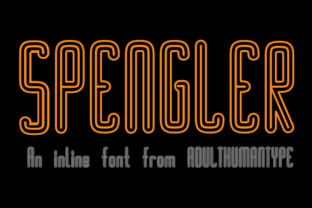
Spengler is a new inline font that brings a wealth of glyphs and foreign characters to your typographic arsenal. For entrepreneurs, marketers, and creators, this means more than just aesthetic variety—it offers a strategic edge in communication. Whether you are developing a brand identity, producing multilingual content, or refining your design workflow, Spengler deserves a thoughtful evaluation. Its extensive character set reduces the need to juggle multiple fonts, streamlining operations and supporting consistency across projects. But like any resource, its true value emerges when aligned with clear goals and practical planning.
The Strategic Significance of Glyph Diversity
Typography often influences how audiences perceive credibility and attention to detail. With Spengler's extensive character set, you can maintain visual consistency across languages without resorting to fallback fonts. This reduces complexity in your operations and ensures a cohesive brand experience. For instance, a global blog targeting readers in French, German, and Japanese can use Spengler to display accents, umlauts, and kanji-related characters seamlessly. The inline style adds a distinct flair that sets your content apart without sacrificing readability. For professionals handling international communications, this glyph diversity is not a luxury—it is a practical necessity that supports long-term positioning and trust.
Aligning Font Choice with Broader Objectives
Selecting a font is not merely a design decision; it is a strategic one. Spengler supports goals such as improving customer experience by providing clear, culturally appropriate typography. For educators and publishers, this means textbooks or articles that respect linguistic nuances. For small business owners, it can mean a website that welcomes international visitors without technical glitches. Planning your font usage around your audience's needs reduces friction and builds credibility. When you choose Spengler with intent, you are not just decorating text—you are making a deliberate investment in how your message is received and understood.
Practical Planning Steps
- Audit your content for language requirements and special characters. Identify gaps where missing glyphs have caused issues in the past.
- Test Spengler in key formats—web, print, mobile—to confirm legibility and load performance across devices.
- Document usage guidelines for your team, specifying when to use Spengler and when a simpler font may suffice. This prevents inconsistency and misuse.
Creative Applications and Productivity Gains
Beyond practicalities, Spengler opens creative avenues. Its inline design works well for headings, logos, and decorative elements where a touch of character is needed. Marketers can use Spengler to create memorable campaign materials that incorporate symbols or diacritical marks, adding depth without cluttering the layout. Freelancers and hobbyists will appreciate the reduced need to switch between fonts, streamlining their workflow. Productivity improves when you don't have to hunt for missing glyphs or worry about fallback fonts breaking your design. This efficiency allows you to focus on content quality and message strategy rather than technical workarounds.
When Spengler Adds Value: Use Cases to Consider
Not every project calls for a glyph-rich inline font. Spengler shines in scenarios where precision and flair matter. Consider its use in the following contexts:
- Multilingual websites and apps that serve global users. Spengler ensures proper display of accented characters and scripts, reducing localization headaches.
- Design projects requiring artistic typography with cultural symbols. Its glyph variety allows for nuanced visual storytelling without switching fonts.
- Educational materials that include foreign language examples, such as phonetics or language learning guides, where accurate character representation is critical.
- Marketing collateral for campaigns targeting specific regions, where local character sets build relevance and trust with the audience.
In each case, the goal is to match the font to the communication objective, not to use it merely because it is new.
Risks of Using Spengler Without Clear Intent
A font with many glyphs can be misused. Overloading a design with decorative characters may confuse readers, undermining clarity. Poor spacing or sizing at different scales can harm readability, especially in body text. Additionally, web use requires careful implementation to ensure fast loading times; a large glyph set can impact performance if not optimized. Without clear goals, Spengler can become a distraction rather than an asset. Decision-makers should weigh these risks against the benefits, considering their specific context. The font is a tool, and like any tool, its effectiveness depends on the skill and intent of the user.
Making the Decision: A Practical Framework
Before adopting Spengler, ask yourself: Does this font support my primary communication goals? Will it enhance the user experience for my target audience? Can my technical infrastructure handle it without compromising speed or accessibility? Testing on a small scale can provide answers. For instance, run an A/B test on a landing page using Spengler versus a standard font for headings. Measure engagement, readability feedback, and page load times. This evidence-based approach reduces guesswork and helps you decide whether Spengler fits your long-term strategy. It also reveals potential issues early, saving time and resources down the line.
Spengler is a versatile addition to the typographic landscape, but its value lies in intentional use. By aligning font choice with your objectives, you can leverage its strengths for better outcomes—whether in branding, publishing, or creative projects. Treat it as a strategic resource, not just a design novelty, and you will likely see returns in clarity, consistency, and audience connection. The key is to approach it with the same rigor you apply to other planning decisions: ask why, test how, and evaluate the impact over time.