Cordial: A Font Born from Boardwalk Empire's Atlantic City
Some fonts tell stories before you set a single word. Cordial is one of them. Conceived from the visual language of HBO's Boardwalk Empire and the hand-painted signage of early 1900s Atlantic City storefronts, this typeface captures a moment in American history when lettering was bold, deliberate, and full of character. The creator, a Pennsylvania native with fond memories of the Atlantic City beach, wanted to offer a personal take on the period typography that adorned window displays in that era. The result is a font that feels both nostalgic and refreshingly useful for modern projects.
But Cordial is not just a historical curiosity. It is a working tool for designers, a conversation starter for educators, a branding asset for small businesses, and a creative spark for hobbyists. Whether you are a seasoned professional or someone just exploring typography, understanding what Cordial offers—and what it does not—helps you decide if it belongs in your toolkit.
What Cordial Actually Is
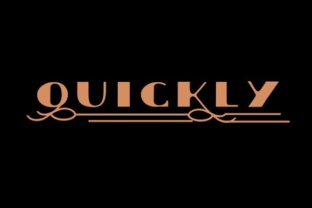
Cordial is a display font inspired by the signage lettering found on shop windows in Atlantic City during the 1900s. Think of the hand-painted, slightly imperfect letterforms you might see on a vintage apothecary, a boardwalk concession stand, or a hotel lobby from that period. The designer took those real-world references and refined them into a cohesive typeface that evokes the warmth, craftsmanship, and subtle roughness of early commercial lettering.
Unlike many historical revivals, Cordial does not try to be a perfect replica of any single sign. Instead, it distills the spirit of an entire era—the turn of the 20th century, when American seaside towns were booming and shopkeepers used window lettering to grab attention. The font carries a slightly weathered, friendly tone. It is not a rigid, formal typeface. It feels human, and that is by design.
Because Cordial is a display font, it works best at larger sizes—headlines, logos, posters, packaging, and digital banners. It is not intended for long body text. The charm of the letterforms shines when each character has room to breathe.
Why Different People Care About a Font Like This
Typography is personal. The same font can serve completely different purposes depending on who is using it and why. Cordial matters differently to a branding designer than it does to a blogger or a history teacher. Here is how that plays out.
For Designers and Creative Professionals
If you work in graphic design, web design, or visual branding, Cordial offers something that many modern sans-serifs and clean scripts cannot: immediate atmosphere. When you need a project to feel like it belongs in a specific time and place, a font that carries that context saves hours of styling effort. A poster for a craft cocktail bar, a logo for a boutique hotel, or packaging for a small-batch product—Cordial adds a layer of narrative without extra work.
The practical value here is speed and emotional resonance. You do not have to explain to the audience that this project references early 20th century Americana. The font does it for you. For professionals juggling tight deadlines, that kind of shorthand is gold. The cost of a quality display font is usually modest compared to the time it saves in concept development.
That said, experienced users will want to test Cordial in context. Because the letterforms have a strong personality, they may clash with certain minimalist layouts or modern photography. Pair it with clean, neutral typefaces for body copy. Consider the overall composition rather than letting the font carry the whole message.
For Hobbyists and Beginners
If you are new to typography or just exploring fonts for personal projects, Cordial is a forgiving and inspiring choice. It does not require deep technical knowledge to use effectively. Drop it onto a poster for a costume party, a holiday card, or a social media graphic, and the font does most of the heavy lifting in setting the mood.
Beginners often worry about choosing the right font, and Cordial solves that by being clearly expressive. You know exactly what it is about. That clarity builds confidence. It also teaches an important lesson: fonts are not neutral. Every typeface carries a voice, and learning to hear that voice is a skill that grows with practice. Cordial makes that lesson fun.
The learning value here is substantial. By using a period-inspired font, beginners can start noticing how design elements create context. Why does this font feel old? Why does it feel friendly? Answering those questions builds a foundation for more advanced choices later.
For Small Business Owners and Entrepreneurs
A font like Cordial can be a branding asset that helps a business stand out in a crowded marketplace. If your business has any connection to vintage aesthetics, craftsmanship, hospitality, or local history, this typeface reinforces that identity. A coffee shop, a barbershop, a bakery, or a bed-and-breakfast could use Cordial in their logo, menu boards, or window signage.
The commercial value is about differentiation. So many businesses rely on generic fonts that look like everyone else. Cordial is not generic. It signals that the owner has paid attention to detail. It also works across physical and digital spaces. A menu printed on craft paper looks authentic. An Instagram post with Cordial lettering maintains the same brand feel.
Reliability matters here. A display font used in headlines should be legible at various sizes, and Cordial holds up well because the letterforms were designed with signage in mind. However, small business owners should test the font at small sizes on screens. If your use case involves tiny text, Cordial may not be the best choice. Stick to larger applications where the character can be appreciated.
For Educators and Publishers
If you teach design, history, or visual communication, Cordial works as a case study in how culture influences typography. It is not just a font; it is a conversation about how the early 1900s shaped commercial art, how seaside towns developed their own visual identity, and how modern designers reinterpret the past.
For publishers working on historical fiction, travel guides, or local interest books, Cordial adds authenticity to covers, chapter headings, and pull quotes. It signals to the reader that the content is grounded in a specific time and place. The flexibility here is in the storytelling. A font that carries historical weight supports the narrative without needing explanation.
Ease of Use vs. Creative Potential
Like most display fonts, Cordial requires some thought about where and how to use it. It is not a set-it-and-forget-it typeface. That is not a flaw. It is a feature. The font demands attention and rewards intentional placement. Users looking for a neutral workhorse should look elsewhere. Users looking for a tool that adds personality will find Cordial easy to work with, provided they respect its strengths.
For quick projects, the font is straightforward to install and apply. No special software or advanced settings are needed. Just pick the right size and let the letters do their work. For more ambitious designs, Cordial invites experimentation—pairing it with textures, layering it on period photographs, or using it as part of a larger vintage layout. The creative potential is high because the font already carries a strong point of view.
Quality and Long-Term Usefulness
Well-designed display fonts have a long shelf life. Cordial references a specific era, but that does not mean it will feel dated in a few years. Good vintage-inspired design transcends its source material. The font will remain useful as long as there is demand for warmth, craft, and narrative in visual design. That is likely to be a long time.
The quality lies in the details: the curve of a letter, the spacing, the balance between consistency and irregularity. Because the font was inspired by real signage, it avoids the sterile perfection that makes some typefaces feel cold. That human quality is hard to engineer, and it is what gives Cordial lasting value.
Does Cordial Match Your Project?
Ask yourself a few questions before committing. Do you need a font that sets a historical or nostalgic tone? Is your project visual-first, with headlines and logos that will be seen at larger sizes? Are you comfortable letting the font take a leading role in the design? If the answer is yes to these, Cordial is worth trying.
If your project requires reading comfort at small sizes, neutral typography, or maximum legibility in dense text blocks, Cordial is probably not the right fit. That is not a weakness. It simply means you need a different tool for that job. Knowing the difference is part of becoming a thoughtful designer.
Final Thoughts on a Font with a Sense of Place
Cordial is a reminder that fonts are more than letters. They carry memory, location, and craft. For the designer who grew up near the Atlantic City beach, this typeface is a personal tribute. For everyone else, it is an invitation to borrow a little of that seaside warmth and early 20th century charm. Whether you are building a brand, teaching a class, or just making something for fun, Cordial offers a distinctive voice. Use it where that voice deserves to be heard.