Snacker: The Hand-Lettered Font That Balances Calm and Character
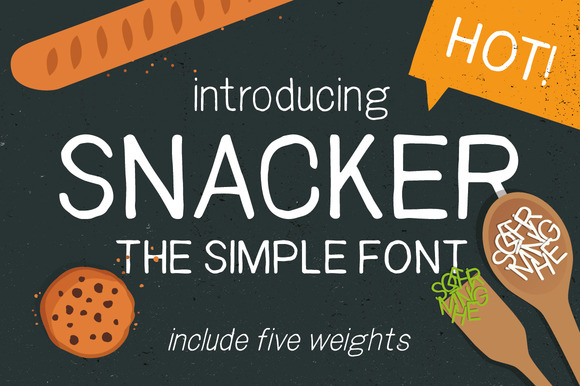
In a digital landscape saturated with cold, uniform typefaces, the search for warmth and authenticity has become a defining priority for designers, creators, and marketers alike. Enter Snacker, a universal hand-lettered font with a distinctive shaky finish that manages to feel both calm and present. At first glance, Snacker appears understated — but its quiet confidence is precisely what makes it so compelling. With five weights, a full set of upper and lowercase letters, and all standard English characters, Snacker gives professionals a versatile tool that never sacrifices personality for polish.
This article explores why Snacker is capturing attention across creative and commercial fields, how it fits into larger movements in typography and brand expression, and what makes it a font you will find yourself using again and again.
The Quiet Power of Hand-Lettered Typography in a Digital Age
For years, the typography industry was dominated by precision — crisp sans-serifs, geometric shapes, and mathematically perfect spacing. These fonts served a purpose: they communicated clarity, efficiency, and modernity. But as digital experiences multiplied, so did a sense of fatigue. Audiences began to crave humanity in design. They wanted brands to feel less like algorithms and more like people.
This shift has been one of the most significant undercurrents in design over the past decade. It is visible in the rise of imperfect textures, analogue-inspired aesthetics, and hand-drawn elements. Snacker arrives squarely within this movement, but it does not lean into chaos. Its shaky finish is deliberate, not careless — a subtle tremor that suggests a human hand at work without undermining readability. This balance is rare in hand-lettered fonts, which often sacrifice legibility for personality. Snacker preserves both, making it suitable for everything from website headers to product packaging.
What makes Snacker especially relevant today is that it avoids the trap of trendiness. It is not trying to be edgy or disruptive. Instead, it offers a calm presence — a font that feels like a thoughtful pause in a noisy feed. For professionals who want to communicate sincerity without shouting, Snacker provides a visual vocabulary that is both approachable and refined.
Why Creators and Professionals Are Turning to Snacker
The appeal of Snacker lies in its versatility. With five weights — from a light, airy stroke to a bold, grounded variant — it allows for hierarchy, contrast, and nuance within a single typeface. This means a freelance designer can use Snacker to build an entire brand identity without juggling multiple font families. A marketer can use it for a campaign that spans email headers, social media graphics, and landing pages, and the voice remains consistent across every touchpoint.
This consistency is increasingly important as audiences encounter brands across multiple platforms. A font that performs well in a 72-point headline but breaks down at 14-point body copy creates friction. Snacker avoids this. Its letterforms are clean enough for smaller sizes, yet its hand-lettered quality ensures that even a short phrase carries warmth. For entrepreneurs and small business owners who manage their own content, this dual capability is a practical advantage. It reduces the need for multiple font licenses and simplifies the design workflow.
Moreover, Snacker addresses a growing preference for authenticity in brand communication. Consumers today are more sophisticated than ever. They can sense when a brand is using a generic template. They respond instead to signals of care and intentionality. A font like Snacker — with its subtle irregularities and human touch — communicates that someone took the time to craft a message, not just paste it into a preset layout. This perception of effort translates directly into trust and engagement.
Practical Applications Across Industries
The versatility of Snacker becomes evident when you consider the range of real-world applications it supports. Here are several examples drawn from common professional use cases:
- Social media content: A coffee shop uses Snacker in its Instagram stories to announce a new seasonal drink. The font's shaky finish echoes the steam rising from a fresh cup — subtle, warm, and inviting. The five weights allow the shop to emphasize key words (like the drink name) while keeping supporting copy light and readable.
- Website headers and hero sections: A freelance photographer replaces her standard sans-serif header with Snacker at a medium weight. The hand-lettered quality softens the overall look of her portfolio, making it feel more personal. Visitors linger longer on the page, and inquiries increase because the design feels approachable.
- Product packaging: A small-batch candle company uses Snacker on its labels. The font's calm character aligns with the brand's emphasis on slow living and natural ingredients. The bold weight is used for the product name, while the light weight carries fragrance notes and ingredients. The result is a cohesive package that looks bespoke without requiring custom illustration.
- Presentation decks: A startup founder uses Snacker for slide titles in a pitch deck. The font adds a human element to data-heavy slides, helping the audience connect emotionally before the numbers are revealed. The clean lowercase ensures readability even when projected on a large screen.
- Email newsletters: A nonprofit organization adopts Snacker for its monthly newsletter headers. The font's warmth mirrors the organization's mission-driven tone, and subscribers consistently rate the newsletter as feeling more personal than similar communications from other groups.
These examples highlight a key insight: Snacker does not dictate a specific style or mood. Instead, it adapts to the context. Its personality is present but not overpowering, making it a reliable choice for professionals who need a single typeface that can shift tone across different applications.
The Role of Snacker in Modern Branding and Marketing
Branding has moved beyond logos and color palettes. Today, the most effective brands are built around storytelling and emotional connection. Every element of a brand's visual language contributes to the narrative it tells. Typography, in particular, plays a critical role in shaping how a brand is perceived — whether it feels authoritative, playful, luxurious, or grounded.
Snacker fits naturally into this paradigm because it carries a clear emotional signature. Its shaky finish is not arbitrary; it evokes the imperfect, human process of hand-lettering. In an era where AI-generated content is becoming ubiquitous, the presence of human imperfection is a differentiator. Brands that use Snacker signal that they value craft and intentionality. They stand apart from those relying on automated, frictionless design systems.
This is especially relevant for small businesses, freelancers, and solopreneurs who cannot compete with the massive budgets of large corporations. Their advantage lies in authenticity and relatability. Snacker amplifies these qualities. It helps a one-person operation look intentional rather than amateur. It gives a boutique brand the feel of a curated experience rather than a mass-produced one.
For marketers, Snacker also offers practical SEO and conversion benefits — not because search engines read fonts, but because typography affects user behavior. A warm, readable font increases time on page, reduces bounce rates, and improves the overall user experience. When visitors feel comfortable and engaged, they are more likely to take action, whether that means subscribing, purchasing, or sharing. Snacker contributes to this by making content feel welcoming from the first glance.
Looking Ahead: The Enduring Appeal of Thoughtful Design
As the design industry continues to evolve, two trends are converging in ways that favor typefaces like Snacker. The first is the slow design movement, which emphasizes quality, longevity, and intentionality over speed and volume. The second is the humanization of digital experiences, which calls for interfaces and content that feel less mechanical and more relational.
Snacker aligns with both of these trends. It is not a font designed to be trendy or viral. It is a font designed to be used — repeatedly, across contexts, over time. Its five weights provide the range needed for long-term use, and its calm character ensures it will not feel dated as trends shift. For professionals and creators who want to invest in a typeface that will serve them for years, Snacker is a practical and strategic choice.
Moreover, Snacker speaks to a growing desire among audiences for slowness and reflection in content consumption. In a world of endless notifications and rapid scrolling, a font that feels calm is a gift. It invites the reader to slow down, to read, to connect. This is not a small thing. Attention is the most scarce resource in the modern economy, and any tool that helps capture and hold it — respectfully, not aggressively — is invaluable.
For creators building content strategies, this means choosing fonts that support the tone of the message. Snacker works beautifully for long-form journal entries, thoughtful essays, or reflective social media posts. Its personality adds a layer of meaning that a neutral font cannot. It tells the reader, before a single word is read, that this content is meant to be savored, not skimmed.
Conclusion: A Font You Will Find Yourself Using Again and Again
Snacker is more than a hand-lettered font with a shaky finish. It is a response to a cultural moment — one that values authenticity, warmth, and human connection in an increasingly digital world. With its five weights, full character set, and calm yet distinctive personality, it offers professionals a versatile tool that adapts to a wide range of applications without losing its core identity.
Whether you are a designer building a brand, a marketer crafting a campaign, a freelancer managing your own content, or an entrepreneur telling your story, Snacker gives you a reliable voice. It is professional enough for corporate use, yet personal enough to feel genuine. It is the kind of font that earns its place in your toolkit — not because it is flashy, but because it works quietly, consistently, and beautifully.
As the boundaries between digital and human continue to blur, the tools we choose matter more than ever. Snacker is a font that bridges that gap. It reminds us that even in a world of code and screens, there is still room for a shaky, imperfect, wonderfully human touch. And that is why you will find yourself using it again and again.