Pairing Stylistics Script with Stylistics Sans for Cohesive Visual Communication
Selecting the right combination of typefaces is a foundational step in any design project. The interaction between a heading font and a body font sets the tone, establishes hierarchy, and communicates a brand’s personality without a single image. For creators and professionals seeking a polished yet approachable aesthetic, the Stylistics Script font duo presents a compelling option. This pair consists of a detailed script and a clean sans serif, engineered to work together. This article examines the strengths, ideal applications, and practical considerations of using Stylistics Script and Stylistics Sans in real-world workflows.
Deconstructing the Font Duo: Strengths and Characteristics
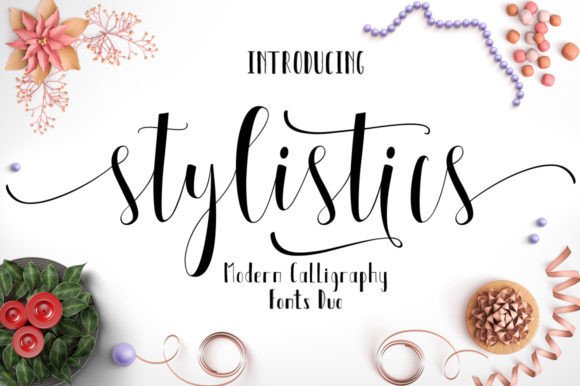
The primary attraction of this bundle is the contrast and harmony between its two fonts. Stylistics Script serves as the centerpiece, defined by its smoothly rounded letterforms and consistent stroke weights. This gives it a refined, almost hand-drawn quality that feels personal without sacrificing legibility. Designers often encounter script fonts that are either too ornate to be practical or too simplistic to stand out. The design here aims for a middle ground, delivering a strong visual presence suitable for both digital interfaces and printed materials.
A key technical strength is the inclusion of 505 unique glyphs, accessible through PUA encoding. This extensive character set typically includes contextual alternates, ligatures, swashes, and stylistic sets. For the user, this translates directly into flexibility. Instead of using the same default character every time a letter appears, you can select from multiple variations to create a more dynamic and custom typographic texture. A wedding invitation header can feature unique letter pairings, or a brand logotype can be customized with a distinct initial swash. The PUA encoding ensures that these advanced features are accessible in most major design software without requiring extensive technical knowledge.
Complementing the script is Stylistics Sans. This font is designed to act as a neutral, grounding counterpart. The sans serif adopts a similar geometric, rounded construction, creating a clear visual link to its script sibling. This predictable design choice ensures that when used together, they form a single cohesive system. In practice, using Stylistics Sans for body copy, captions, or secondary information allows Stylistics Script to command attention in headings and logos without feeling disconnected from the overall layout. The duo effectively solves the common challenge of finding a reliable sans serif that does not clash with the personality of a script font.
The Role of the Script Font
Stylistics Script is built to be versatile. Its smooth lines and perfect curves give it a handmade feel that works well across different contexts. For those working on wedding suites, its romantic yet readable nature is practical. For nursery wall art or children’s materials, the rounded, friendly shapes align well with the subject matter. Because it features 505 unique glyphs, users have significant creative control. It is rare to find a script font that offers this level of technical depth while maintaining such a clean and approachable aesthetic.
How the Sans Serif Complements the System
A common frustration in typography is the lack of a perfect matching body font. Stylistics Sans addresses this by sharing key morphological traits with the script, particularly in the curves of certain letters. This creates an inherent sense of belonging. The sans serif is not an afterthought; it is built to carry the weight of longer text blocks, providing readability and structure. This consistency is the primary long-term value of acquiring a font duo rather than spending hours searching for a complementary typeface from a different foundry that might have mismatched proportions.
Real-World Performance and Practical Applications
The practical value of Stylistics Script extends into several professional niches. For small business owners managing their own visual identity, this duo reduces the guesswork involved in font pairing. It provides a ready-to-use system that can be applied across a website, social media graphics, email newsletters, and physical collateral. The handmade feel of the fonts helps convey authenticity and care, which are valuable attributes for service-based businesses, boutique retailers, and artisan product sellers.
Ideal Use Cases for Creators and Marketers
- Branding and Identity: The duo is well-suited for creating cohesive brand guidelines. Use Stylistics Script for the logo and primary headlines, and Stylistics Sans for taglines, subheaders, and body content on business cards or brochures.
- Packaging Design: For specialty food brands, skincare lines, or coffee roasters, the combination of handwritten texture and clean typography can convey a handmade, premium quality while maintaining readability on a label.
- Content Creation: Bloggers, podcasters, and course creators can use the fonts for feature images, slide decks, and quote cards. The script adds personality, while the sans serif ensures that informational text remains clear and professional.
- Stationery and Events: Wedding planners and event designers benefit from the extensive glyph set, which allows for customized save-the-dates, menus, and signage that feel personal rather than templated.
Technical Quality and Usability Assessment
The technical construction of a font directly impacts daily workflow efficiency. With 505 unique glyphs in Stylistics Script, users can expect a high level of craftsmanship. Large glyph sets typically indicate that the type designer has addressed real-world typographic problems, such as awkward letter combinations and the need for visual rhythm. This reduces the amount of manual kerning and letter adjustments required, saving significant time on complex projects.
The PUA encoding is a practical feature that simplifies access to decorative elements and alternates. In software that supports OpenType features, users can easily toggle between stylistic sets without leaving their workspace. This streamlines the creative process and allows for rapid experimentation. For those working primarily in web-based tools like Canva, it is worth confirming that the platform supports the specific OpenType features, as some web editors may require workarounds to access the full glyph set.
From a consistency standpoint, the duo performs well across both digital and print media. The smooth lines and rounded forms of Stylistics Script suggest it will hold up well in physical production, from inkjet printers to professional offset presses. For digital use, the clear differentiation between the script and sans serif helps maintain hierarchy on small screens, ensuring that the message remains readable and visually engaging.
Evaluating Fit: Strengths and Considerations
Like any design asset, Stylistics Script has contexts where it excels and situations where a different choice may be more effective. Honest assessment here helps users make an informed decision.
Who Benefits Most
- Solopreneurs and Freelancers: Those who handle their own design work benefit from a pre-verified pairing that maintains brand consistency across multiple touchpoints.
- Wedding and Event Designers: The romantic, customizable nature of the script combined with a legible sans serif is a practical tool for creating cohesive stationery suites.
- Educators and Course Creators: Using the duo for materials and presentations injects personality into structured information, making learning content feel more approachable and less clinical.
- Packaging Designers: The fonts work well for products that need to communicate craftsmanship, organic qualities, or personalized service.
Potential Limitations to Consider
- Brand Tone Alignment: The friendly, rounded aesthetic may not suit highly formal corporate environments, legal documents, or technology brands aiming for a sharp, futuristic edge. A financial institution or cybersecurity company would likely require a more neutral or authoritative typeface.
- Digital Platform Compatibility: If the primary use is for web body text, users should verify that the font file types provided (e.g., WOFF2) are available and that the OpenType features render correctly in their chosen content management system.
- Complexity for Beginners: While the PUA encoding is a technical advantage, some novice users may need guidance on how to access stylistic alternates in their design software. The learning curve is minimal, but it is not entirely automatic out of the box.
Practical Recommendations for Implementation
To get the most out of Stylistics Script, consider treating it as the primary voice of your brand identity. Use it confidently for headlines, subheads, and elements where you want personality to shine. Let Stylistics Sans carry the functional load: navigation, captions, product descriptions, and longer body text. This division of labor creates a natural hierarchy that is easy for audiences to follow.
Take advantage of the 505 glyphs to create a custom wordmark. Experiment with initial swashes and contextual alternates to develop a logotype that cannot be easily replicated. Even small adjustments, like using a different loop on a lowercase letter, can make a logo feel exclusive and intentional. In social media visuals, this level of customization helps a brand stand out from generic templates.
For long-term projects, build the pair into your brand guidelines. Document which weights and styles correspond to different use cases. This ensures that any future content, whether created internally or by a third party, aligns with the original visual strategy. The durability of the duo lies in this systemization, allowing the handmade feel of the fonts to scale consistently across marketing channels.
Selecting a typeface is a decision that affects how an audience perceives a brand. The Stylistics Script font duo offers a balanced toolkit for those who want to communicate warmth, care, and attention to detail without sacrificing professional readability. Its combination of expressive script details and a supportive sans serif provides a solid foundation for cohesive visual communication across print and digital media. By understanding its strengths and ideal contexts, users can effectively leverage this pair to build stronger, more engaging brand identities that resonate with their audience.