Memento Mori: Embracing Mortality as a Workflow Anchor and Modern Blackletter Typeface
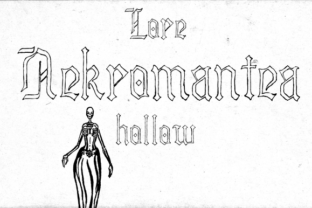
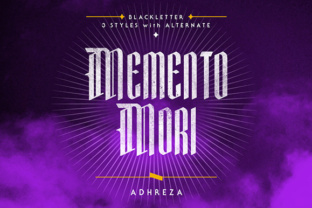
Memento Mori translates to “remember that you must die.” At first glance, this phrase seems far removed from spreadsheets, content calendars, or typeface selection. But strip away the morbid surface, and you find a practical anchor for prioritization, decision-making, and creative direction. The same principle applies to the Memento Mori typeface — a modern blackletter font that carries the visual weight of mortality, legacy, and intention. Designed with a condensed, Gothic structure and inspired by the heavy presence of Black Sabbath and wrestling icon The Undertaker, this typeface bridges historical gravitas and contemporary utility. This article explores how the concept and the font fit into real workflows, from project planning to visual branding.
Why Memento Mori Belongs in Your Planning Process
The phrase Memento Mori is often reduced to a stoic reminder of life’s brevity. But in practice, it functions as a clarity tool. When you anchor decisions to the finite nature of time, trivial tasks fall away, and what remains are the projects that genuinely matter. This isn’t abstract philosophy — it’s a filter you can apply before, during, or after any significant effort.
Using Memento Mori as a Pre-Project Filter
Before starting a new initiative — whether it’s a business launch, a creative campaign, or a personal learning goal — ask one question: If this were my last project, would I still pursue it? This reframes the effort from “should I do this” to “is this worth a finite slice of my life.”
For entrepreneurs and small business owners, this filters out low-impact busywork. For creatives and freelancers, it cuts through client requests that drain energy without aligned purpose. For educators and bloggers, it directs focus toward content that resonates deeply rather than content that simply fills a calendar slot.
During Execution: The Memento Mori Check-In
Mid-project, the concept acts as a recalibration tool. When scope creep sets in or motivation wanes, a quick Memento Mori pause reconnects you with the original stakes. This is especially useful in long-term workflows where immediate pressures obscure the bigger picture.
Consider using a physical cue — a small card, a wallpaper, or even a tattoo — that triggers this check-in. The Memento Mori typeface works particularly well here because its blackletter, condensed form carries an inherent seriousness. A single word set in this font on a sticky note or a device lock screen can serve as a visual anchor, pulling you back to intentionality without needing lengthy reflection.
Post-Project Reflection and Legacy
After a project concludes, Memento Mori invites honest assessment. Did the output justify the time spent? Did the work reflect your standards? This isn’t about guilt — it’s about calibration. Over time, this practice increases the quality of what you produce because you stop repeating patterns that don’t serve your long-term trajectory.
For marketers and publishers, this means retiring low-performing formats. For hobbyists and productivity-minded users, it means letting go of hobbies that feel like obligations. The point is not morbidity but alignment.
The Memento Mori Typeface: A Modern Tool for Visual Gravity
Now shift from concept to craft. The Memento Mori typeface is a contemporary blackletter font that draws from heavy metal aesthetics and wrestling’s theatrical darkness — specifically the persona of The Undertaker and the sonic weight of Black Sabbath. But unlike many blackletter revivals, this take is condensed, clean, and readable at display and medium body sizes. It’s not a costume font; it’s a working tool for visual communication that needs to convey authority, depth, and timelessness.
Where the Typeface Fits in a Visual Workflow
Typography choices are often an afterthought — pick something “that looks nice” and move on. But typeface selection is a decision that affects readability, brand perception, and emotional tone across every asset you produce. The Memento Mori typeface sits in a specific niche: it offers Gothic character without sacrificing modern legibility.
Use it for:
- Headers and titles in blog posts, newsletters, or landing pages that need immediate gravitas.
- Logos and branding for businesses in music, gaming, literary projects, or any field where heritage and intensity are assets.
- Posters, merch, and packaging where display typography carries the visual identity.
- Short-form body text in cases where a condensed, dark tone supports the message — think liner notes, manifestos, or limited-edition print materials.
Practical Pairing and Compatibility
No typeface works in isolation. The Memento Mori font pairs best with clean, neutral sans-serifs or subtle serifs to balance its density. For digital use, pair it with a lightweight font like Inter, Open Sans, or Lora for body copy. The contrast between a condensed blackletter headline and a airy, readable body text creates visual hierarchy without screaming for attention.
In print, consider pairing with a thin, tall sans-serif for captions or footnotes. This maintains the dark, serious tone while ensuring long-form reading remains comfortable. For designers and publishers, this pairing strategy is essential: one font for impact, one font for endurance.
Implementation Tips for Different Workflows
Integrating Memento Mori — both concept and typeface — into your routine doesn’t require overhaul. Here are specific entry points for different roles.
For Content Creators and Bloggers
Use the conceptual Memento Mori as your editorial filter. Before drafting a post, ask: Will this matter to my audience six months from now? Then use the typeface for your post titles and quote cards. Its condensed, Gothic look signals seriousness without being inaccessible. Consistency comes from using the same typeface across your visual assets, creating a recognizable brand anchor.
For Project Managers and Team Leads
Introduce a Memento Mori moment at the start of each sprint or milestone. A one-minute silent reflection on the project’s ultimate purpose — not just the deadline — shifts team focus from velocity to value. This isn’t spiritual; it’s strategic. Teams that remember why a project exists make better scope decisions.
For Freelancers and Solopreneurs
Your time is your inventory. Memento Mori helps you reject clients whose demands don’t align with your standards. Use the typeface on your proposals or invoices to subtly communicate that you work with intention. It’s a small signal that sets a tone of professionalism and seriousness.
For Hobbyists and Learners
Apply Memento Mori to skill acquisition. Not every hobby needs mastery. Choose one or two pursuits that genuinely enrich your life and let the rest go. The typeface can appear in your personal journal or workspace as a visual cue — a bookmark, a screen saver, or a notebook cover — reinforcing the discipline of focus.
Long-Term Considerations and Quality Control
Using Memento Mori — concept or font — is not a one-time action. It’s a recurring practice that shapes your output over years.
Consistency Across Platforms
If you adopt the Memento Mori typeface for branding, ensure it’s available across web, print, and social media. Check kerning in small sizes, test readability on mobile, and confirm that the condensed blackletter doesn’t lose character in captions. For marketers and small business owners, a consistent typeface across touchpoints builds a recognizable identity that doesn’t rely on logos alone.
Avoiding Overuse
Blackletter fonts carry cultural and emotional weight. Overusing them can feel heavy or pretentious. Reserve the Memento Mori typeface for high-stakes or reflective contexts. Let it punctuate rather than pervade. This restraint increases its impact when it does appear.
Evolution Over Time
As your work evolves, your relationship with Memento Mori will shift. Early in a career, it might drive raw ambition. Mid-career, it might refine priorities. Late-career, it might focus on legacy. The concept adapts; the typeface remains a constant visual anchor for that adaptation.
Observations from Practical Use
After integrating Memento Mori into both planning and typography decisions, several patterns emerge:
- Projects chosen under a Memento Mori filter tend to have higher completion rates because they matter personally, not just professionally.
- Audiences respond to the typeface’s seriousness — it signals that the content is not disposable. Open rates, engagement, and perceived value often increase when visual tone matches message weight.
- The combination of concept and craft creates a feedback loop: the idea reminds you to choose wisely, and the font reminds you and your audience that the choice was intentional.
Conclusion (Implicit in the Workflow)
There is no formal conclusion here because Memento Mori is not a destination — it’s a recurring input. Whether you use the phrase to filter your next project, or the typeface to anchor your next visual identity, the value lies in integration. Remember why you work. Choose tools and fonts that reflect that gravity. Let the finite shape the excellent.