Anchor Font: A Storybook Display Type for Creatives
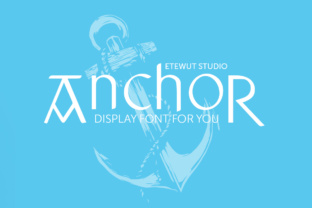
Typography carries emotion. A single typeface can transport readers into a different world, set a mood, or whisper a story before a single word is read. Anchor is one such typeface—a display font openly inspired by old Russian fairy tales. It doesn’t just present text; it ornaments it, giving projects a handcrafted, almost folkloric warmth that feels both ancient and refreshingly new.
If you have ever searched for a font that carries personality without screaming for attention, Anchor might be worth exploring. Its flowing gestures, decorative curls, and slightly irregular shapes echo the patterns found in traditional Slavic embroidery and painted wooden toys. Yet it remains legible enough for headlines, posters, and digital banners where you want a touch of narrative charm.
What Makes Anchor Different from Other Display Fonts
Many display fonts lean on historical revival—Victorian, Art Deco, or medieval blackletter. Anchor instead draws from cultural storytelling traditions. The letterforms feel organic, as if inked by hand onto parchment. The curves are generous but not overpowering. The overall effect is evocative: you can almost imagine a wise old fox or a firebird perched between the characters.
Technically, Anchor is built for visibility at larger sizes. It works best in headlines, logos, book covers, wedding invitations, or any design where text becomes part of the visual art. Because its details are delicate, using it for long body copy would likely tire the reader—but that is not its purpose. It is a specialist typeface, chosen precisely when you want a storybook feel.
For designers, Anchor offers a distinctive alternative to the polished, vector-smooth fonts that dominate modern branding. It brings a human touch, a recognition that not everything needs to feel corporate or uniform.
Why Anchor Matters to Different Audiences
Value is rarely universal. A font that excites a graphic designer might leave a small business owner cold, while a hobbyist crafter may see creative possibilities that a marketer overlooks. Anchor occupies a particular niche, and understanding that niche helps you decide whether it suits your project.
For Graphic Designers and Creative Professionals
Professionals whose livelihood depends on visual distinction often hunt for typefaces that are both unique and reliable. Anchor offers exactly that. On a book cover about folklore or fantasy, it immediately sets the right tone. For a branding project involving an organic food company or an artisan bakery, Anchor can communicate handmade quality without cliché. Its licensing terms, pricing, and availability make it a practical tool for client work—provided you respect its display-only nature.
Experienced users will appreciate how Anchor pairs with simpler serif or sans-serif fonts. Use it for the main headline, then let a neutral companion typeface carry the body text. This contrast creates hierarchy and visual rhythm. The key is to let Anchor shine where it belongs and not overuse it.
For Small Business Owners and Entrepreneurs
If you run a boutique, a café, a children’s brand, or a business rooted in local tradition, Anchor can lend your identity a memorable voice. Logos, store signs, social media headers—anywhere you need to stand out with personality. The font says “this business has history and character,” which resonates especially well with audiences seeking authenticity.
Cost is often a primary concern for small budgets. Anchor is widely available through type foundries at reasonable prices for a single weight or a full family. It is a one-time investment that can inform your entire visual identity. Before buying, consider if the ornamental style aligns with your long-term brand direction—fads come and go, but a font tied to cultural storytelling has decent staying power.
For Educators, Hobbyists, and Storytellers
Teachers creating classroom materials about fairy tales or world cultures may find Anchor visually engaging for posters, handouts, or bulletin boards. A single headline in Anchor can spark curiosity among students. Hobbyists working on scrapbooks, personal invitations, or homemade gifts can use the font to add a crafted touch without needing advanced design skills.
For these users, ease of use matters more than technical nuance. Anchor installs like any other font and works across word processors and design apps. You do not need to be a typography expert to apply it—though understanding that it works best at larger sizes will help you avoid poor results. Experiment with sizing and spacing until it feels right.
For Consumers and Content Marketers
Even if you never design a logo yourself, you may encounter Anchor in products you buy, books you read, or ads you see. Recognizing the typeface’s storybook roots can deepen your appreciation of a brand’s intention. Marketers can use Anchor to make blog headers, email banners, or social graphics feel instantly more engaging—especially for content related to nostalgia, culture, or craft.
The danger for marketers is forcing a decorative font onto a modern or minimalist brand. Anchor works best when the surrounding design supports its folkloric vibe. Pair it with earthy colors, texture backgrounds, or hand-drawn illustrations. Against a sterile white page with harsh sans-serif menus, the font may feel out of place.
Evaluating Anchor Against Your Own Priorities
Before committing to any typeface, ask what you most need: creativity, reliability, cost-effectiveness, or long-term usefulness. Anchor delivers on creativity and quality if used correctly. It is reliable as long as you stick to display purposes. Cost is moderate—not free, but not prohibitive for most individual or small-team budgets.
For projects that require maximum versatility, a single display font may feel restrictive. If your branding spans many media—from tiny mobile buttons to large banners—you may need a full type family or a second font. Anchor alone cannot carry an entire identity unless you keep design simple and consistent.
Another factor is speed. If you need a quick solution, picking a complex ornamental font may slow your workflow as you adjust spacing and sizing. Beginners might find it frustrating when Anchor looks amazing at 60 points but muddy at 24. This is normal for display fonts; the learning curve is short, but it exists.
Practical Examples for Different Reader Types
To see if Anchor fits, imagine a few concrete scenarios:
- A book cover designer working on a collection of Russian folk tales: Anchor becomes the obvious choice for the title and author name, paired with a clean serif for the back cover text. The font instantly tells buyers what kind of stories await.
- A wedding invitation creator aiming for a rustic, woodland theme: Anchor on the main invite adds a magical, timeless feel. Pair with soft watercolor flower illustrations and a simple sans serif for the details.
- A small business owner launching a handmade soap line: Using Anchor on product labels conveys artisanal quality. But keep it to the product name only—ingredients lists should stay readable in a neutral font.
- A teacher designing a classroom poster about fairy tales from around the world: A large headline in Anchor catches children’s attention. Subheadlines can be in a simpler font to ensure clarity.
In each case, Anchor serves as a highlight, not the workhorse. Its job is to stop the eye and stir emotion.
Long-Term Usefulness and Commercial Value
Fonts, like any design tool, have a lifespan. Anchor’s inspiration from folk art gives it a classic quality that may age better than hyper-trendy typefaces. Five years from now, it is unlikely to feel dated because its reference point is centuries of cultural tradition, not a seasonal aesthetic.
For professionals, buying a license for Anchor means adding a reliable option to your typography toolkit. For hobbyists, it is a playful asset that makes personal projects feel more polished. The commercial value lies in its ability to differentiate your work in a crowded visual landscape—if you respect its character and use it thoughtfully.
Ultimately, Anchor is not for everyone. It is not a go-to font for corporate reports, tech dashboards, or billboard copy. But if your project involves stories—whether written, visual, or branded—Anchor can be the subtle magic that makes people linger a little longer.
Making Your Decision
To decide if Anchor suits you, download a trial version or use the foundry’s preview tool. Test it with your actual project content: your brand name, your headline, your quote. Change sizes and colors. Pair it with two or three other fonts. See how it feels to your own eyes, and ask someone whose taste you trust for their reaction.
Pay attention to whether Anchor makes your content feel more inviting, more memorable, or more authentic. If it does, it may be exactly what you are looking for. If it distracts or overwhelms, put it aside—there are many display fonts, each with its own voice.
Anchor tells a story before you type a word. Let it tell yours, but only if that story matches the one you want to share.