Halftone Sans: A Typeface with Built-In Texture
There is an unmistakable charm in typography that carries the weight of analog history. We see it in weathered signage, yellowed newspaper archives, and vintage comic books. One of the most distinct visual artifacts from this era is the halftone dot—the fundamental building block of printed images. Today, that texture finds a powerful new life in digital design, largely thanks to typefaces like Halftone Sans. This font does not simply look retro; it actively reconstructs the halftone screen within its letterforms, giving designers a direct shortcut to a rich, tactile aesthetic. For a creative professional looking to stand out, understanding how to wield this unique tool can open up a world of expressive possibilities.
What Exactly Is Halftone Sans?
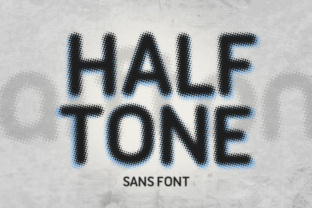
At its core, Halftone Sans is a sans-serif typeface where the solid fills of standard letterforms are replaced with spaced dots. Depending on the specific weight and size you select, these dots vary in density and proximity, mimicking the effect of a printed gradient or a Ben-Day dot pattern popularized by pop art and vintage comic strips. The result is a font that feels simultaneously industrial and playful. It is a direct reference to screen printing, offset printing, and the work of artists like Roy Lichtenstein. For designers, it is a tool that instantly infuses a project with personality, depth, and a sense of crafted authenticity that flat vector typography often lacks. This built-in texture saves hours of manual effect application, allowing you to focus on layout, composition, and color strategy.
Why This Typeface Matters for Modern Creators
In a digital landscape saturated with perfectly smooth vectors and ultra-clean interfaces, capturing attention requires a different approach. Audiences, particularly adults navigating endless content feeds, are drawn to authenticity, subtle imperfection, and nostalgic cues. Halftone Sans delivers on all fronts. For the entrepreneur building a brand identity, this typeface communicates core values instantly. It signals a handmade quality, a connection to craftsmanship, and a respect for design history. It helps a small business owner avoid the sterile, generic look of many modern franchises. Instead of being just another logo, a brand mark set in Halftone Sans tells a story before the customer even reads the tagline. It is a strategic asset, not just an aesthetic whim.
Practical Creative Applications for Halftone Sans
The true power of this textured typeface lies in its adaptability across different projects and platforms. Here are a few practical directions you can take it.
Branding with a Vintage Soul
Small business owners, especially in the food and beverage industry, can use Halftone Sans to create a logo that feels established and community-focused. A coffee roaster, a craft bakery, or a butcher shop can leverage the dot matrix to evoke a classic, trustworthy identity. Combine a Halftone Sans logotype with a clean, geometric sans-serif for menus and packaging to balance texture with readability. This creates a layered brand system that feels cohesive without being overwhelming.
Merchandise and Apparel Design
For creators selling merchandise, Halftone Sans is a natural fit. The dot pattern translates beautifully to screen printing, acting as a ready-made graphic element. A simple band name, a bold quote, or a brand slogan set in this font becomes the entire design. Printers love it because the halftone structure integrates seamlessly with the printing process. Whether it is a t-shirt, a tote bag, or a sticker, the tactile quality of the font reinforces the physical nature of the product.
Digital Content and Social Media
Marketers and content creators can use Halftone Sans to break the monotony of polished social feeds. Use it for YouTube thumbnails, Instagram story titles, or podcast cover art. In a grid of high-resolution photos, a textured headline immediately grabs the viewer’s eye. It signals a specific creative direction—raw, artistic, and intentional. Pair it with grain textures or limited color palettes to extend the vintage aesthetic across your entire visual identity.
How to Use Halftone Sans Effectively
Like any specialized tool, this font requires thoughtful handling. Overusing it or applying it in the wrong context can undermine its impact. Here is how to keep your results clear, organized, and effective.
Mastering Scale and Size
Halftone Sans is fundamentally a display typeface. It performs best at larger sizes—typically 36 points and above. At smaller sizes, the halftone dots can become visually chaotic, muddying the letterforms and reducing legibility. Reserve it for headlines, logos, and short impactful phrases. If you need a smaller-sized texture, look for a version with finer dots or consider using a standard solid font to ensure readability at micro scales. Always test your design at the actual size it will be viewed or printed.
Choosing the Right Color Palette
Color and contrast are critical. Halftone Sans relies on the relationship between the dots and the background. On a white or light background, it works perfectly in black, dark navy, or a single vibrant accent color. Think classic retro combinations: a bold cyan, a warm red, or a mustard yellow. Be cautious when placing the font over busy photographs or low-contrast pastel backgrounds, as the dots can disappear. High contrast is your ally. A dark background with a bright, opaque text color can create a striking, high-impact visual.
Pairing Fonts for Balance
Because Halftone Sans is visually dense and textured, it needs a calm, stable counterpart. Pair it with a light or regular weight of a clean sans-serif like Helvetica, Inter, Montserrat, or Open Sans. This creates a beautiful rhythm between complexity and simplicity, noise and quiet. Use the textured font for the main headline and the clean font for subheadings, body copy, and captions. This hierarchy ensures your message is both distinctive and easy to navigate.
Accessibility and Readability
If you are using Halftone Sans on a website or in a digital product, user accessibility is a key concern. The dot pattern creates a perceptual challenge. While a dot might meet the technical contrast threshold, visually it offers much lower effective contrast than a solid letterform. Best practice is to use Halftone Sans exclusively for decorative, large-scale text. Do not rely on it for critical navigation, interactive buttons, or dense information. Providing a solid, accessible alternative for these elements ensures your design is inclusive without sacrificing personality.
Matching the Font to Your Audience and Platform
Understanding who you are speaking to is just as important as understanding the font. Halftone Sans evokes strong associations with DIY culture, indie music, art galleries, and vintage goods. This is perfect for targeting creative audiences, collectors, and younger demographics who appreciate ironic or nostalgic references. It fits naturally on platforms like Behance, Etsy, Instagram, and independent publications. However, it is a poor fit for corporate finance, formal legal services, or luxury automotive brands, where the perception of sleek modernity and precision is paramount. Align your typeface choice with the core expectations of your audience to build trust and clarity.
Expanding Your Visual Vocabulary
When you use a font like Halftone Sans, you are tapping into the visual language of the 20th century. You are referencing the gritty realism of offset printing, the boldness of pop art, and the tactile world of tangible media. For educators, publishers, and hobbyists creating zines or experimental layouts, this font becomes a bridge between the digital screen and physical paper. It allows you to discuss and utilize graphic design history in a direct, functional way. It is both a teaching tool and a practical asset, enriching your work with layers of meaning and context.
Final Recommendations
Halftone Sans is not a one-size-fits-all solution, but it is an incredibly versatile instrument for adding texture and character to your work. Keep these key points in mind: use it at large display sizes, pair it with neutral fonts, maintain high contrast, and always consider the expectations of your audience. Whether you are a freelancer building a portfolio, a maker designing merchandise, or a publisher laying out a magazine spread, this typeface offers a distinct and memorable voice. It invites your audience to look closer, to appreciate the dots that built the images of the past, and to see something familiar in a fresh, modern light. Embrace the texture, respect the context, and let the dots do the work.