Almond: A Brush Script Font for Creatives
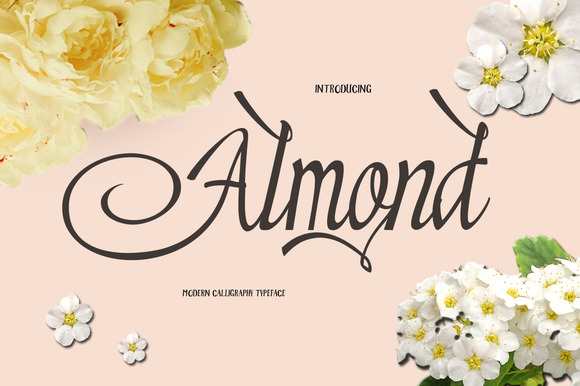
Almond is a unique brush script typeface that brings the feel of modern calligraphy to digital design. Its flowing strokes and natural variation make it stand out from standard fonts, offering a blend of elegance and informality. Whether you’re a graphic designer, a small business owner, or a hobbyist, this font provides a versatile tool for many projects—from logos to invitations and beyond.
What Makes Almond Special?
Unlike rigid geometric fonts, Almond mimics the movement of a real brush. Each character carries subtle weight shifts, slightly uneven curves, and a hand-drawn character that feels personal. It balances legibility with artistic flair, so headlines remain readable while retaining a crafted look. The style sits between casual and refined, making it appropriate for both playful and professional contexts.
Creative Applications Across Projects
Almond adapts naturally to a range of design needs. Its energetic stroke brings warmth to digital and print materials alike. Below are key areas where this font excels, along with practical ways to use it.
- Headings and Titles – Use Almond for blog post titles, magazine headers, or website banners. Its bold presence draws attention without overwhelming the page. Pair it with a clean sans-serif for body text to keep contrast clear.
- Logos and Branding – Almond gives logos a handcrafted feel. Bakeries, boutiques, or creative studios can benefit from its approachable style. Try using it as the primary wordmark, then add a simple icon for balance.
- Invitations and Greeting Cards – Wedding invitations, birthday cards, or event announcements gain personality with Almond. Adjust letter spacing to create a relaxed or formal tone. A soft pastel background complements the brush strokes well.
- Posters and Flyers – For posters advertising workshops, art shows, or local markets, Almond adds visual interest. Pair it with large imagery and keep the message short to maintain legibility from a distance.
- T-shirt and Merchandise Designs – Almond works well for typography-centric apparel. Short phrases or single words printed large capture the handmade vibe. Use contrasting thread or ink colors to highlight the brush effect.
- Labels and Packaging – Product labels for jams, candles, or soaps benefit from Almond’s organic look. Combine it with subtle texture or watercolor backgrounds for a cohesive natural aesthetic.
- Book Covers and Editorial – Almond suits book covers for fiction, lifestyle, or self-help genres. Its flowing letters suggest creativity and authenticity. Keep surrounding design minimal to let the title stand out.
Adapting Almond for Different Audiences
Different creators use Almond in distinct ways. Understanding your audience helps you choose the right application and formatting.
Graphic Designers and Freelancers
Designers often use Almond as a display font for client projects. It works well for wedding suites, branding packages, and social media graphics. To maintain professionalism, avoid using it for long blocks of text—stick to short headlines or accent words. If the project needs a custom look, adjust the font size and tracking to match the brand’s voice.
Marketers and Small Business Owners
Marketers can use Almond to inject personality into promotional materials. Email headers, discount banners, and product announcements feel less corporate with a brush script. Keep readability in mind: use a larger font size for key messages and avoid placing text over busy backgrounds. Small business owners might use it on store signage or loyalty cards to reinforce a friendly brand image.
Bloggers and Content Creators
Bloggers often use Almond for post titles, quote images, and Pinterest pins. Its artistic style matches lifestyle, craft, or food niches. Pair it with a thin serif or sans-serif for body copy. For consistency across platforms, create a template with your blog name in Almond and reuse it for branded graphics.
Educators and Hobbyists
Teachers and workshop leaders can use Almond for handouts, class materials, or certificates. The font’s approachable feel reduces formality and encourages engagement. For personal projects like scrapbooking or journaling, Almond adds a creative finishing touch without needing advanced design skills.
Practical Tips for Using Almond Effectively
To get the best results from Almond, consider these recommendations:
- Pair with neutral backgrounds – White, cream, or soft gray lets the brush strokes remain visible. Busy textures may compete with the letterforms.
- Mind the spacing – Almond works well with moderate letter spacing. Tight spacing can reduce legibility, while generous spacing gives an airy feel. Experiment with the tracking setting.
- Combine with contrasting typefaces – Use a simple sans-serif for body text and keep Almond for headlines. This creates hierarchy and prevents visual fatigue.
- Adjust size for medium – On screens, 18px or larger is recommended for headlines; smaller sizes may lose the brush detail. For print, test at your intended scale before finalizing.
- Limit color palette – One or two colors per design keeps the focus on the typography. Almond in black or deep navy often reads best, but soft neutrals can also enhance the handcrafted feel.
- Use uppercase sparingly – The font’s lowercase letters carry more character. All-caps works for short words but may appear less natural in longer phrases.
Inspiration for Your Next Project
Here are concrete ideas to start using Almond right away:
- Create a Logo for a Local Business – Imagine a small café named “Blush” using Almond for its signage. The brush script communicates warmth and handmade quality. Pair it with a simple coffee bean icon and a soft apricot background.
- Design an Invitation for an Outdoor Wedding – Use Almond on kraft paper with floral illustrations. The font’s natural flow matches rustic decor. Keep the details short: “Join us under the oaks” in Almond, with event information in a clean serif below.
- Build a Social Media Quote Overlay – Take a short motivational quote, set it in Almond over a blurred nature photo, and add a subtle shadow for depth. Use it as an Instagram post to increase engagement. The hand-drawn look feels authentic and relatable.
- Make a Label for Homemade Products – If you sell candles, write the scent name in Almond on a small white label. The brush style suggests natural ingredients. Attach it to recyclable glass jars for a cohesive, eco-friendly look.
- Craft a Poster for a Creative Workshop – “Watercolor Basics” in Almond, with a brief description set in a thin sans-serif. Add a splash of watercolor texture behind the text. The combination reinforces the workshop’s theme.
- Design a Book Cover for a Self-Published Title – A memoir called “Unraveled” uses Almond for the title, set against a muted, textured background. The brush script hints at a personal, confessional tone. Place the author name in a simple serif at the bottom.
Keeping Results Clear and Audience-Friendly
While Almond is expressive, legibility should remain a priority. For longer phrases or smaller text, consider using a simpler companion font. Test your design at different sizes and on different devices if displaying digitally. Ask a colleague or friend to read a draft—if they pause on any word, adjust spacing or weight. The goal is to let Almond enhance your message, not compete with it.
Remember that brush scripts carry an informal connotation. Use Almond for projects where a personal, approachable tone matches your brand or message. For highly formal or corporate contexts, a restrained serif or sans-serif might be more appropriate. Knowing when to use Almond—and when not to—makes your design choices more intentional.
Almond’s versatility means it can fit many roles: from bold headlines to delicate labels. By understanding its strengths and pairing it thoughtfully with other elements, you can create designs that feel both polished and human. Whether you’re building a brand or crafting a single invitation, this brush script font gives you a starting point that’s full of creative potential.